Melee
Close-range sword enemies that aggressively pursue and pressure the player.
AI & GAMEPLAY PROGRAMMING
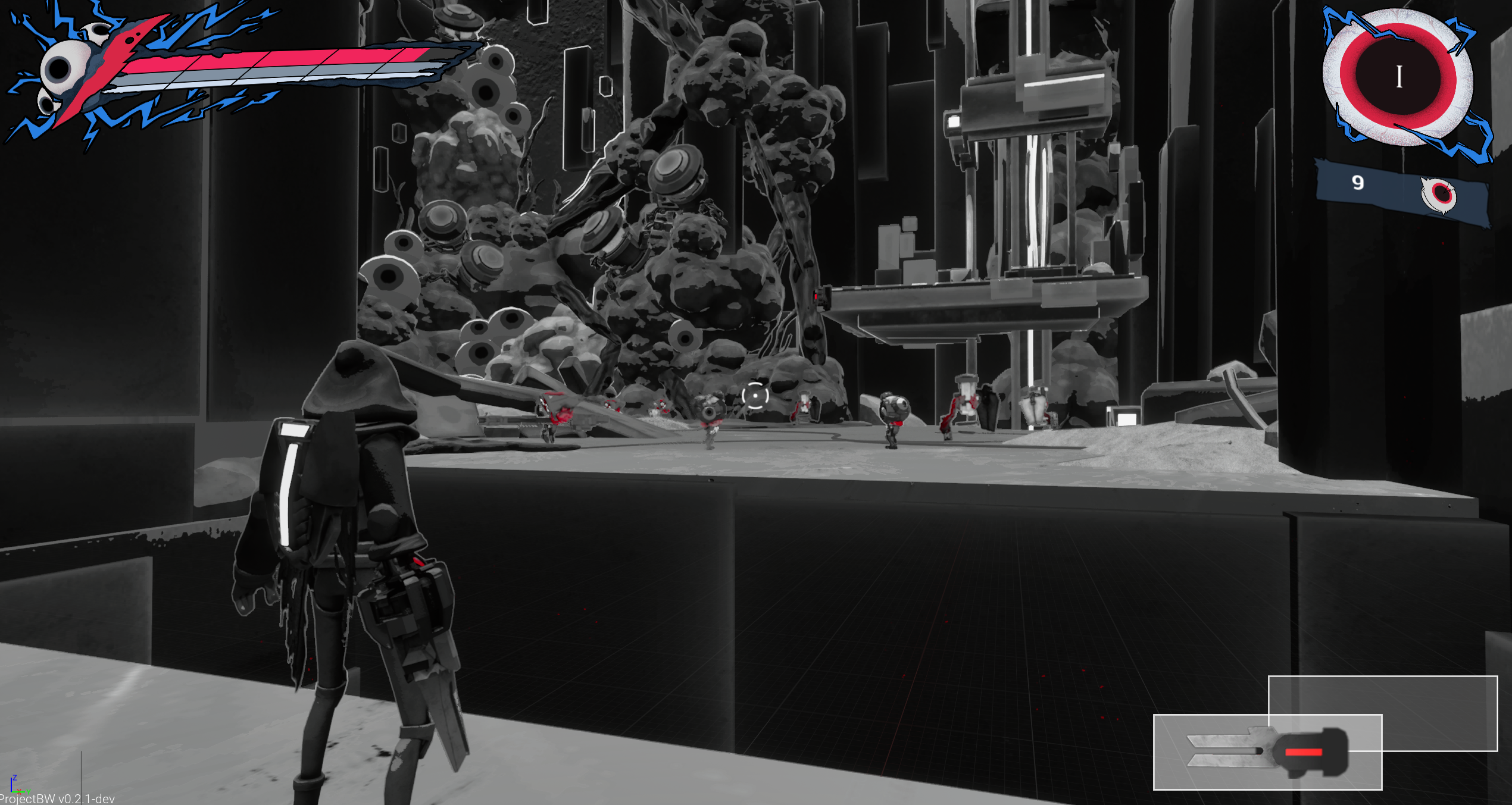
A fast-paced third-person arena shooter where I built the enemy AI architecture, enemy archetypes, wave system and encounter-control systems in C++.
The Negative Edge is built around speed, mobility and surviving escalating waves of enemies in stylized black-and-white arenas.
The player uses advanced movement such as grappling, wall running and rail grinding, so the AI had to remain readable and threatening without creating unfair attack overlap.
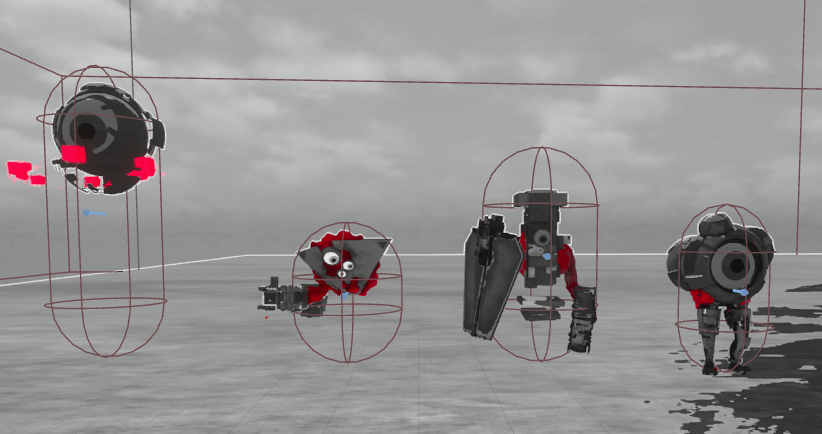
I created the enemy foundation and specialized it into four distinct behaviors.
Close-range sword enemies that aggressively pursue and pressure the player.
Distance-focused enemies that reposition and attack from safer ranges.
Rush-down units that charge the player and detonate, forcing immediate reactions.
Highly mobile aerial units that can activate totems which temporarily protect other enemies.
Controls enemy composition, spawning and progression to escalate encounter difficulty.
Limits how many enemies can commit to attacks at the same time so pressure stays high without becoming unreadable.
Coordinates movement points, attack positions and contextual decisions across enemy types.
Splits encounter spaces into meaningful regions used by spawning and AI positioning logic.
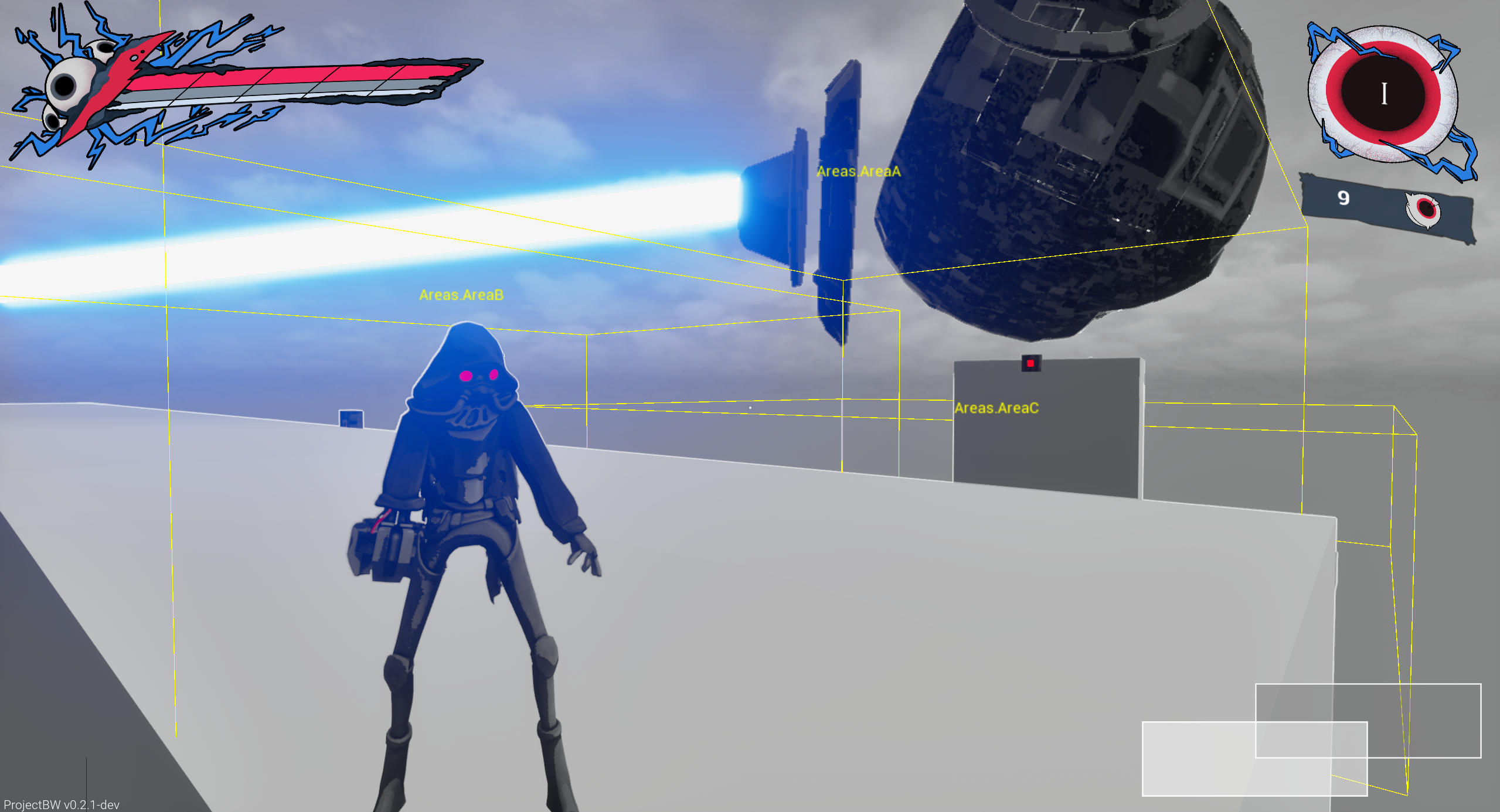
The core goal was to avoid four completely separate enemy implementations.